

TLDR
Eye drops can be safe for children, but they are not always necessary. The right treatment depends on the cause of your child’s eye discomfort. Our optometrists in Charlotte, NC, can identify issues affecting children’s eyes and recommend safe, effective care.
No parent wants to see their child deal with an eye problem. When it happens, many reach for a quick solution, and eye drops are often the first choice.
Dr. Mumford, Dr. Kenning, and Dr. Krisa, our family optometrists in Charlotte, near Dilworth, South Park, and Uptown, NC, often receive questions from concerned parents, such as “can kids use eye drops?” The short answer is yes, but they are not always necessary. Knowing when to use an eye drop and how they work is key to protecting your child’s vision.
What Are Eye Drops For And How Do Eye Drops Work?
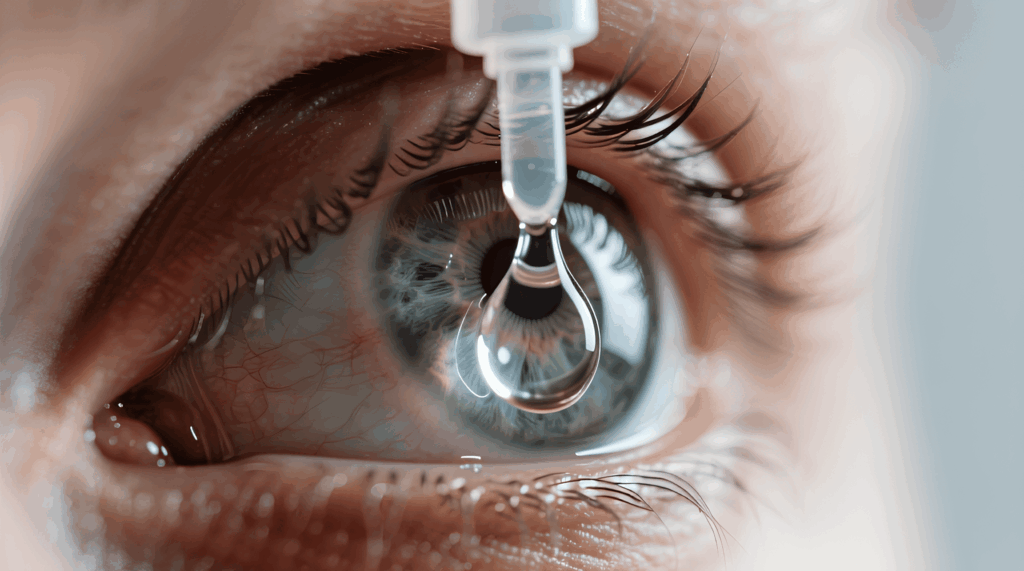
Eye drops are liquid medications applied directly to the eye. Depending on the type, they can lubricate the eyes, reduce inflammation, balance fluid levels, or flush out irritants.
After application, the drops are absorbed through the conjunctiva (the clear membrane covering the eye). They work on the eye’s surface or may drain through the tear duct into the nasal passage, which is why you might sometimes taste them in your mouth.
Are Eye Drops Safe For Kids?
Over-the-counter (OTC) eye drops can be safe for children when used correctly, which means choosing the right type and using the proper dosage.
However, not all OTC options are suitable for kids. It’s best to consult an eye doctor to ensure the product is safe and appropriate for your child.
What Eye Conditions Require Eye Drops?
Eye drops are used to manage a range of eye conditions in children, including:
Myopia Control In Children
Low-dose atropine eye drops are used to slow the progression of myopia (nearsightedness) in children. They are typically applied once daily and prescribed and monitored by an eye doctor.
Dry Eyes In Kids
Artificial tear drops help restore moisture to the eye’s surface, reducing discomfort and irritation. Preservative-free options are often recommended for children.
Eye Allergies
Allergens like pollen, pet dander, and dust can trigger allergic conjunctivitis, causing itchy, watery, and red eyes. Allergy eye drops help relieve symptoms by blocking the histamine response in the eye.
Pink Eye (Conjunctivitis)
Conjunctivitis is a common eye condition in children and may be treated with antibiotic eye drops. However, not all cases require antibiotics, so they should only be used when prescribed by a doctor. Viral conjunctivitis, often linked to colds, does not respond to antibiotics and usually clears on its own.
Styes
A stye is caused by a blocked and infected oil gland. Treatment usually starts with warm compresses applied several times a day. If it does not improve or begins to spread, an eye doctor may prescribe eye drops.
Foreign Object In The Eye
Sterile saline or lubricating drops can help flush out small particles from a child’s eye. If this procedure does not resolve the issue, please consult an eye doctor promptly.
What Are The Side Effects Of Eye Drops For Kids?
Side effects depend on the type of eye drops used. Lubricating eye drops are generally safe and may only cause temporary blurred vision after application.
Other types may have mild side effects. Atropine eye drops can increase light sensitivity, antihistamine eye drops may cause brief stinging, and antibiotic eye drops can sometimes trigger a local allergic reaction, such as redness or swelling.
How Can You Put Eye Drops in Your Child’s Eyes?
Giving eye drops to a child requires a steady hand and patience. Follow these steps:
- Have your child lie flat or tilt their head back.
- Gently pull down the lower eyelid with one finger to create a small pocket.
- Hold the bottle above the eye without touching it, then place one drop into the pocket.
- Ask your child to close their eyes gently (not tightly) and press lightly on the inner corner of the eye for one to two minutes.
How Can You Make Using Eye Drops Easier For Your Child?
Many children feel anxious about eye drops. These simple tips can help:
- Explain what you’re doing in a calm, simple way.
- Let your child hold and examine the bottle to feel more comfortable.
- If your child struggles to keep their eyes open, place the drops in the inner corner of the closed eye and ask them to open slowly.
- Praise your child after each successful attempt to encourage cooperation.
Are There Alternatives To Eye Drops For Kids?
Not all eye conditions in children require eye drops. In some cases, other approaches can help manage symptoms or support treatment.
Cold Compress
A clean, cold compress on closed eyelids can help with swelling and pain from allergies or minor inflammation.
To make a basic cold compress at home, do the following:
- Wrap a few ice cubes or a bag of frozen vegetables in a clean towel
- Alternatively, soak a washcloth in cold water and wring it out
- Gently place it over closed eyelids for a few minutes
- Always keep ice from touching the skin directly
Saline Rinse
A gentle saline rinse can flush irritants, allergens, or debris from around the eye without the need for medicated drops.
To safely use a saline rinse:
- Wash your hands thoroughly before starting
- Use a sterile saline solution, but don’t make your own unless your doctor tells you to.
- Use a clean dropper or cotton pad to gently put the saline around the eye.
- Let the liquid rinse the eye without applying pressure
- Use a clean cloth to gently pat the area dry
- Avoid touching the tip of the bottle to the eye
Limit Screen Time (Use The 20-20-20 Rule)
Children are spending more time than ever on screens, and prolonged use can lead to eye strain and even worsen dry eye symptoms. Setting reasonable screen time limits and encouraging regular breaks can help protect your child’s eye health.
A simple way to build this habit is by using the 20-20-20 rule. For every 20 minutes of screen use, encourage your child to look at something 20 feet away for at least 20 seconds. While it may take some consistency to make this routine stick, it can go a long way in reducing eye strain and keeping their eyes comfortable.
Use Protective Eyewear
For kids involved in sports or outdoor activities, protective eyewear reduces the risk of eye injuries. Using the right protective gear during play can prevent accidents that may otherwise require more intensive eye care.
Regular Eye Exams
Our routine eye exams in Charlotte are among the most effective ways to protect your child’s vision. Many eye conditions in children develop without obvious symptoms, so regular checkups help detect issues early and allow for timely treatment.
When Should You See An Eye Doctor In Charlotte?

Although mild eye irritation in children usually resolves on its own, certain symptoms warrant attention. Schedule an appointment with our experienced pediatric eye doctors in Charlotte if your child exhibits any of the following symptoms:
- Redness or discharge that persists beyond 48 hours or continues to worsen
- Significant swelling around the eye
- Sensitivity to light
- A visible foreign object that cannot be flushed out
- Sudden changes in vision, including blurriness or double vision
- Complaints of pain rather than mild discomfort
Addressing these symptoms early can make a meaningful difference in your child’s comfort and long-term eye health.
At Innovative Eye Care in Charlotte, our dedicated vision care team is here to provide attentive, personalized care and guide you toward the right treatment for your child. Feel free to contact us if you have any concerns or need support.
Key Takeaways
- Eye drops can be safe for children when used correctly and under a doctor’s guidance
- Different eye conditions require specific types of eye drops for effective treatment
- Some eye drops may cause mild side effects, depending on the type used
- Simple alternatives such as cold compresses, saline rinses, screen time breaks, and protective eyewear can support children’s eye health
- Dr. Mumford, Dr. Kenning, and Dr. Krisa, our optometrists at Innovative Eye Care in Charlotte, provide personalized care and can recommend the most suitable eye drops for your child
Sources
- https://innovativeeyecare.net/
- https://my.clevelandclinic.org/health/treatments/eye-drops
- https://my.clevelandclinic.org/health/body/24329-conjunctiva
- https://www.healthline.com/health/dry-eye/potential-risks-of-over-the-counter-eye-drops
- https://www.aao.org/eye-health/news/low-dose-atropine-kids-with-myopia
- https://www.healthline.com/health/allergic-conjunctivitis
- https://www.mayoclinic.org/diseases-conditions/pink-eye/symptoms-causes/syc-20376355
- https://www.mayoclinic.org/diseases-conditions/sty/symptoms-causes/syc-20378017
- https://my.clevelandclinic.org/health/treatments/saline-solution
- https://my.clevelandclinic.org/health/drugs/20729-atropine-eye-solution
- https://my.clevelandclinic.org/health/treatments/antihistamines
- https://www.healthline.com/health/eye-health/how-to-use-eye-drops
- https://www.aao.org/eye-health/tips-prevention/tips-eyedrop-anxiety-scared-kids-adults
- https://www.healthline.com/health/make-cold-compress
- https://my.clevelandclinic.org/health/treatments/saline-solution
- https://innovativeeyecare.net/dry-eye-disease-treatment/
- https://www.healthline.com/health/eye-health/20-20-20-rule
- https://innovativeeyecare.net/eyewear-boutique-charlotte-nc/
- https://innovativeeyecare.net/eye-health-evaluation-charlotte-nc/
- https://innovativeeyecare.net/meet-our-team/