

TLDR
You can improve your vision naturally with eye exercises, nutrient-rich foods, and regular breaks from screens. Our dedicated vision care team in Charlotte shares practical tips to help you build healthy habits for clearer vision.
In an era where our eyes are constantly exposed to digital screens, many people begin to notice their vision isn’t as sharp as it once was. This often raises concern and leads to a question, such as “are there natural ways to improve vision?“
The good news is that simple lifestyle changes and targeted eye exercises can support better vision. Our family optometrists in Charlotte, Dr. Mumford, Dr. Kenning, and Dr. Krisa, serve Dilworth, South Park, and Uptown, NC, and help you build daily habits that support clear, healthy vision.
Is It Really Possible To Improve Your Eyesight Naturally?
It is possible to naturally support and maintain a clear vision. While conditions like nearsightedness, astigmatism, and farsightedness don’t typically reverse on their own, healthy habits can help reduce eye strain and support overall eye health. In some cases, they may also lessen your reliance on glasses.
What Affects Your Vision The Most?
Although major issues like eye trauma can affect vision, it’s often your daily habits that have the biggest impact. Here are some common behaviors that may be harming your eyesight.
Screen Time and Digital Strain
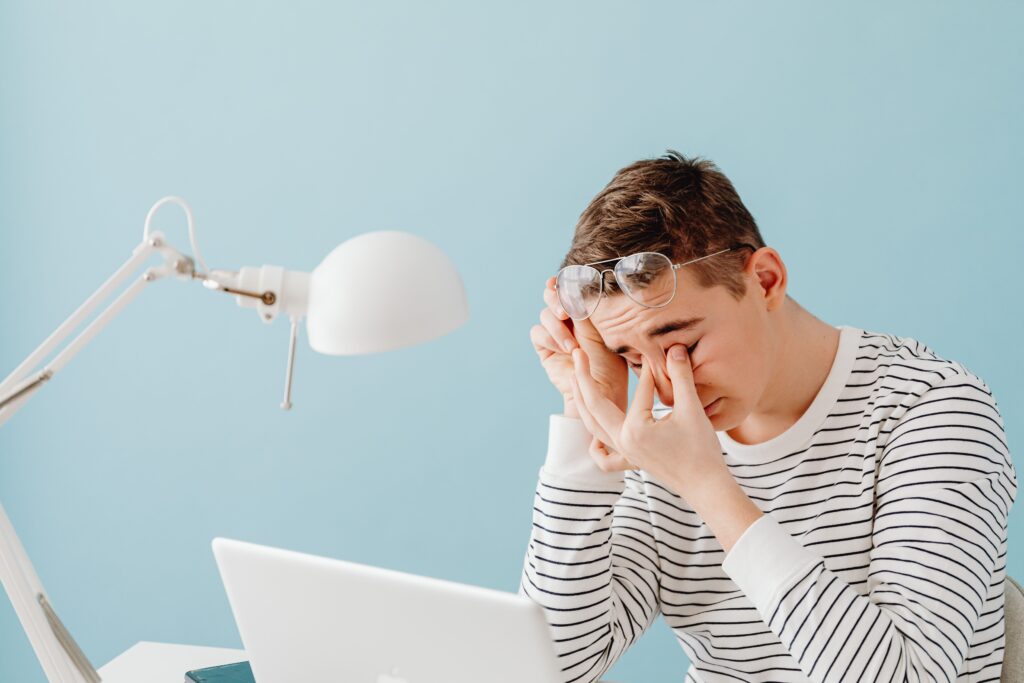
We know screen time is part of daily life, whether for work or reading. But extended use can overwork your eyes, leading to digital eye strain, blurred vision, and headaches.
Diet and Nutrient Deficiency
Your eyes need key nutrients such as vitamins A, C, and E, along with omega-3 fatty acids, to function properly. When your diet is lacking these nutrients, your vision can become weaker or less clear over time. For example, vitamin A deficiency is a leading cause of preventable vision loss worldwide.
Sleep and Eye Recovery
Sleep is essential for healthy eye function and recovery. While you sleep, your eyes remain lubricated by tears, and the muscles that control focusing rest from daily strain. Insufficient-quality sleep disrupts these recovery processes, potentially resulting in eye strain and diminished visual clarity.
Underlying Health Conditions
Certain chronic health conditions can indirectly affect your eyes. Diabetes and high blood pressure, for example, can lead to retinopathy, which is damage to the retina that may result in vision loss. Autoimmune conditions like rheumatoid arthritis may cause eye inflammation, while thyroid disorders can lead to symptoms such as bulging eyes, double vision, and dryness.
What Daily Habits Can Help Support Healthier Vision?
If you’ve noticed changes in your vision or simply want to protect your eye health, here are five daily habits to support clearer, healthier vision.
Eye Exercises To Improve Focus And Flexibility
While many people are familiar with exercises for the body, such as running, stretching, or strength training, fewer realize that the eyes can also benefit from targeted exercises that help keep the eye muscles active and relaxed, supporting better focus and reducing eye strain.
One simple exercise is palming. To do this exercise, sit comfortably, rub your hands together until warm, then gently cover your closed eyes with your palms for 3–5 minutes. This helps relax the eyes and ease tension.
Other helpful exercises include:
- Near and Far Focus
- Figure Eight
- Zooming
- Directional Tracking
Blinking More To Reduce Eye Strain
People typically blink about 7 to 10 times per minute. Regular blinking helps reduce eye strain and keeps the eyes comfortable throughout the day. Each blink spreads tears across the eyes, helping to keep them well lubricated and protected.
Eating For Better Eyesight
A nutrient-rich diet can help support better eye health. For vitamin A, include foods such as carrots, apricots, and cantaloupe in your meals. Vitamin C supports cell repair and helps protect the eyes from environmental damage. Good sources include citrus fruits, peaches, and tomatoes. Leafy vegetables such as spinach and kale, along with beans, also provide essential nutrients that help keep your eyes healthy.
Reducing Screen Time And Digital Exposure
While there are no strict universal screen time rules, the American Academy of Ophthalmology recommends that children under 2 years have no screen time daily, and kids over 2 years have no more than 1 hour daily.
It may be difficult to reduce screen time for a productive adult. However, you can dedicate 3 to 4 hours of your day to being free from digital exposure. App timers are another way to set daily usage limits for your phone.
Getting Proper Sleep For Eye Recovery
The minimum amount of sleep for adults is 7 hours daily. Rest allows the eyes to recover from daily strain. Keeping your bedroom dark at night can also support proper eye recovery.
What Habits Should You Continue for Long-Term Eye Health?
To maintain good vision, these habits should become part of your daily routine.
Protecting Your Eyes From Daily Strain
Practice the 20-20-20 rule to reduce digital eye strain. It simply means for every 20 minutes you spend looking at a screen, take a 20-second break to look at something 20 feet away. You don’t need to measure exactly 20 feet—just focus on something in the distance, like a tree or object outside the window. If you work on a computer, dim your screen brightness, use night mode, or apply an anti-glare filter if needed.
Wearing Sunglasses and Protective Eyewear
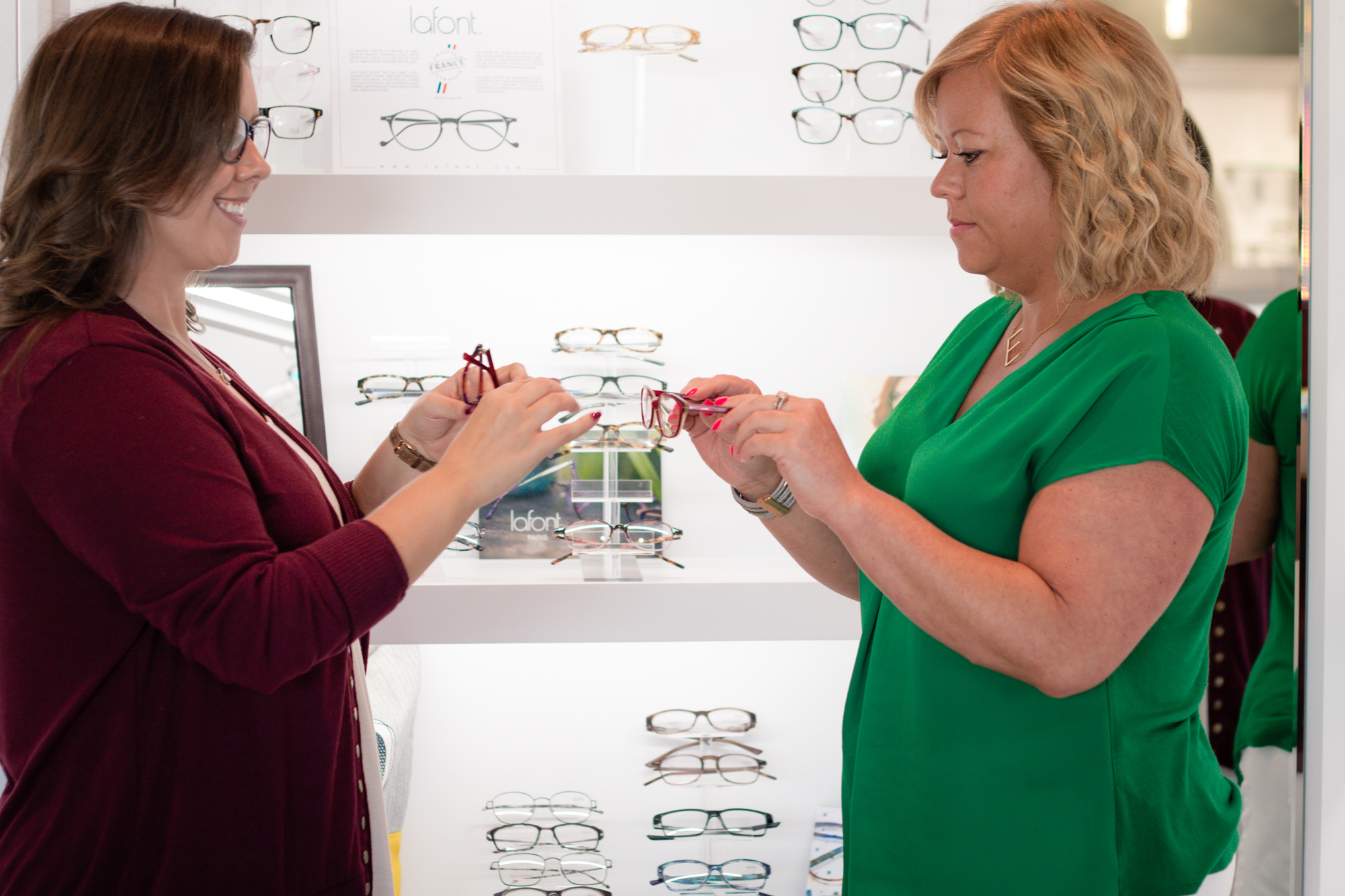
As you reduce screen brightness, sunglasses or eyeglasses can help protect your eyes from harmful UV rays. If your work or sports activities increase your risk of eye injury, our protective eyeglasses in Charlotte can offer added protection and comfort.
Maintaining Proper Eye Hygiene
Small bacteria and dirt can easily cause discomfort if proper care is not taken. Simple hygiene habits include:
- Washing your hands regularly before touching your eyes
- Avoid rubbing your eyes, which can transfer dirt and bacteria
- Using a personal face towel
- Removing makeup before bed
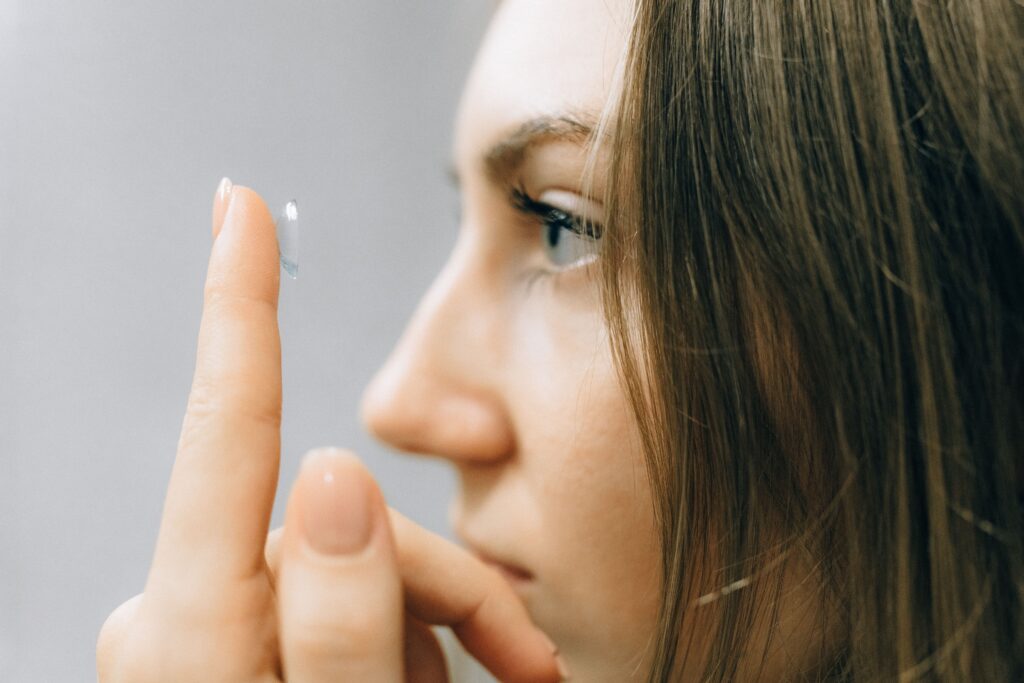
- Proper contact lens care
If you wear contact lenses, make sure to use fresh contact solution daily.
Scheduling Regular Eye Exams
Routine eye health exams help detect eye conditions early. It’s important to regularly schedule appointments with qualified eye doctors in Charlotte for professional eye care and guidance on maintaining healthy vision.
Managing Lifestyle Factors Like Smoking and Fitness
Smoking increases the risk of eye conditions such as cataracts and optic nerve damage, and reduces blood flow to the eyes. Quitting tobacco can significantly protect long-term vision. Regular exercise can also reduce the risk of diabetes and high blood pressure, both of which are associated with eye complications.
What Are the Warning Signs of Eye Problems?
It’s important not to wait until symptoms become severe before seeking eye care. Watch out for the following warning signs of eye problems:
- Severe eye pain
- Dry Eyes and eye irritation
- Double vision
- Blurred Vision
- Eye floaters or halos around lights
- Numbness or weakness on one side of the body
- Severe headache
- Confusion, dizziness, or trouble talking
How Can an Eye Doctor in Charlotte Improve Your Vision?
Although natural habits, lifestyle changes, and simple eye exercises cannot treat certain eye conditions, they can help support overall eye health and vision.
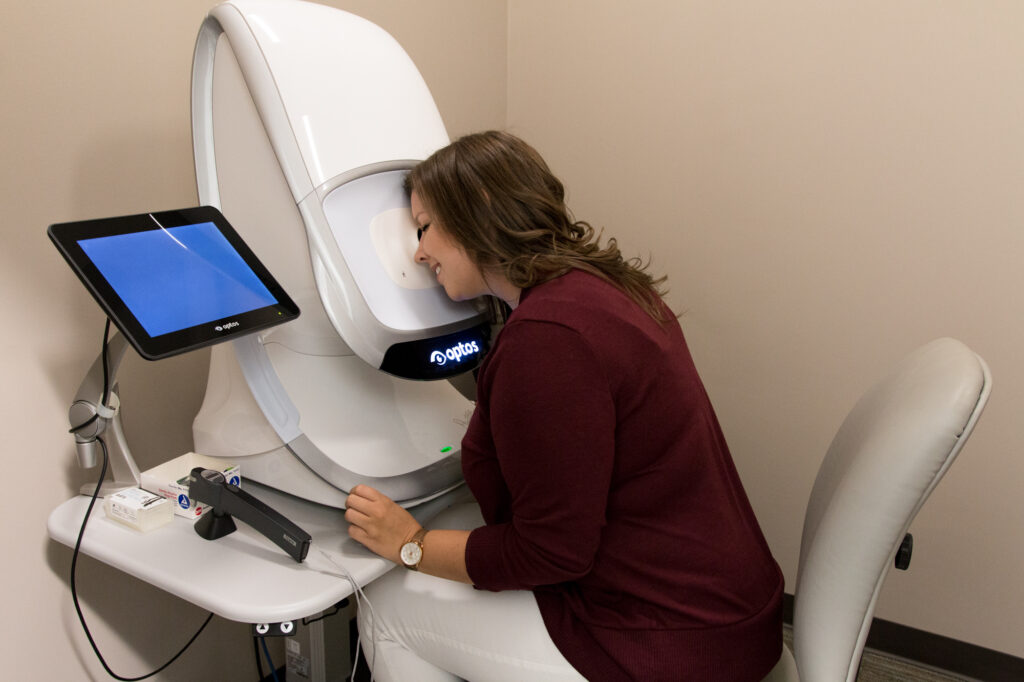
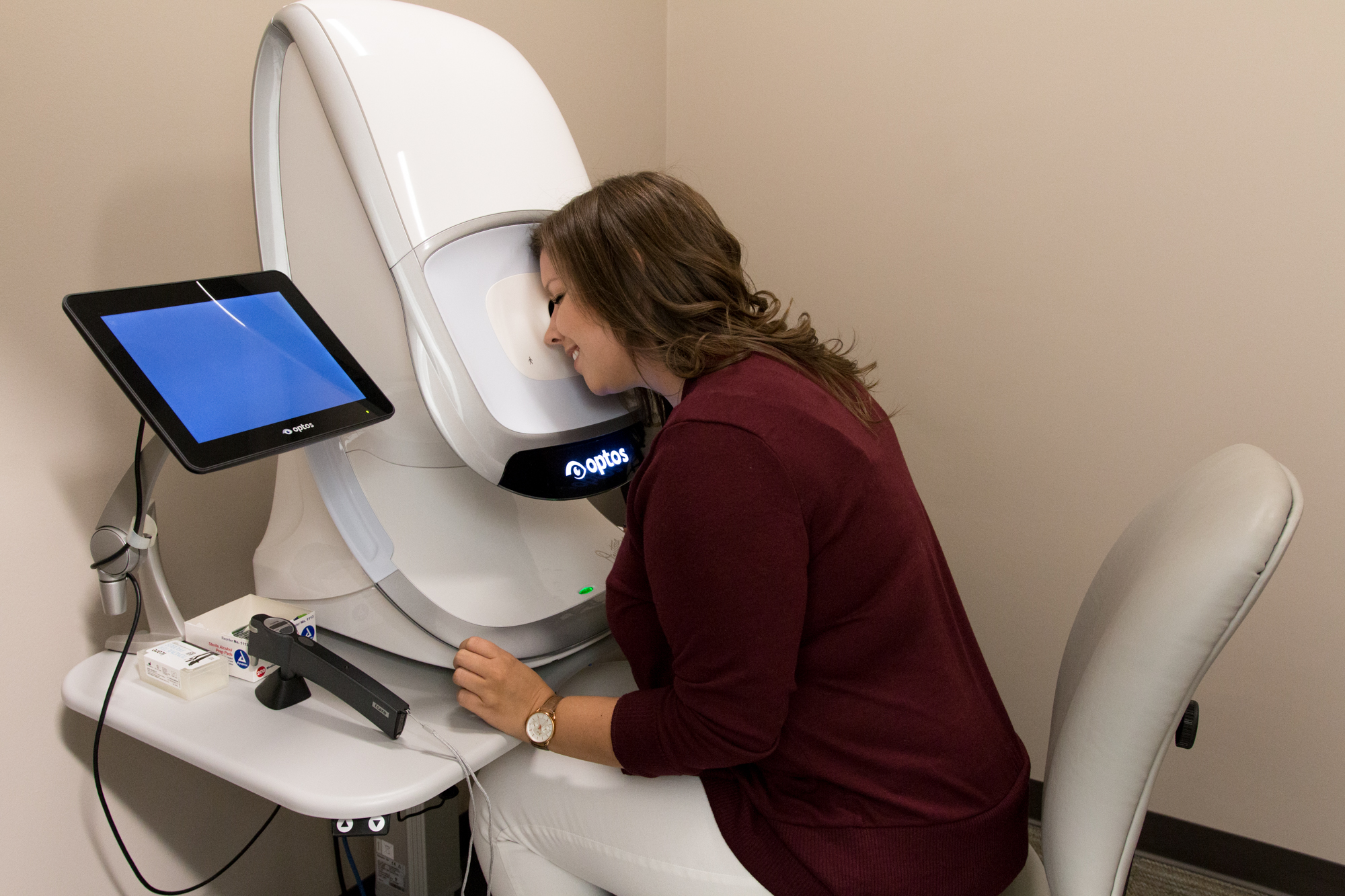
At Innovative Eye Care, our vision care team provides comprehensive eye exams to assess your overall eye health and identify the right care for your lifestyle and visual needs. Schedule an appointment with our trusted eye doctors in Charlotte today to protect and preserve your vision.
Key Takeaways
- Quality sleep, a healthy diet, and regular eye exams help maintain healthy eyesight
- The 20-20-20 rule helps reduce digital eye strain and support eye recovery
- Identifying warning symptoms early is key to preventing long-term eye conditions
- Our eye doctors at Innovative Eye Care in Charlotte, NC, Dr. Mumford, Dr. Kenning, and Dr. Krisa, offer expert guidance on natural ways to improve and support vision
Sources
- https://innovativeeyecare.net/
- https://innovativeeyecare.net/meet-our-doctors/
- https://innovativeeyecare.net/astigmatism-vs-normal-vision-what-it-looks-like/
- https://www.aao.org/eye-health/tips-prevention/20-worst-things-your-eyes
- https://innovativeeyecare.net/computer-vision-syndrome-relief-and-prevention/
- https://www.healthline.com/nutrition/8-nutrients-for-eyes
- https://www.cdc.gov/vision-health/about-eye-disorders/index.html
- https://www.healthline.com/health/eye-health/eye-exercises
- https://www.healthline.com/health/dry-eye/blinking-exercises-for-dry-eye
- https://www.aao.org/eye-health/tips-prevention/fabulous-foods-your-eyes
- https://www.aao.org/eye-health/tips-prevention/digital-devices-your-eyes
- https://www.mayoclinic.org/healthy-lifestyle/adult-health/expert-answers/how-many-hours-of-sleep-are-enough/faq-20057898
- https://www.healthline.com/health/eye-health/20-20-20-rule
- https://innovativeeyecare.net/eyewear-boutique-charlotte-nc/
- https://innovativeeyecare.net/eye-health-evaluation-charlotte-nc/
- https://www.mayoclinic.org/symptom-checker/eye-problems-in-adults-adult/related-factors/itt-20009075
- https://innovativeeyecare.net/dry-eye-disease-treatment/