

TLDR
Regular eye exams are one of the easiest ways to protect your vision and overall health. They can detect early signs of eye diseases and even health conditions like diabetes. How often you need an exam depends on your age and risk factors, but in general, we recommend every one to two years for adults, and more frequent visits for children or anyone with specific health concerns.
Our eyes are precious gifts that work tirelessly to absorb the beauty and details of the world around us, from the moment we wake up to the moment we close them for the night. Yet, with all that hard work, it’s easy to forget they need a little TLC. That’s why at Innovative Eye Care, we offer comprehensive eye health exams in Charlotte, NC, near Uptown, Dilworth, and SouthPark to ensure your vision is functioning at its best.
This brings us to a crucial question: how often should you get an eye exam to maintain optimal eye health? Read on as our expert eye doctors in Charlotte shed some light on this important question and provide tips to help you keep your peepers in top shape.
What is an Eye Exam?
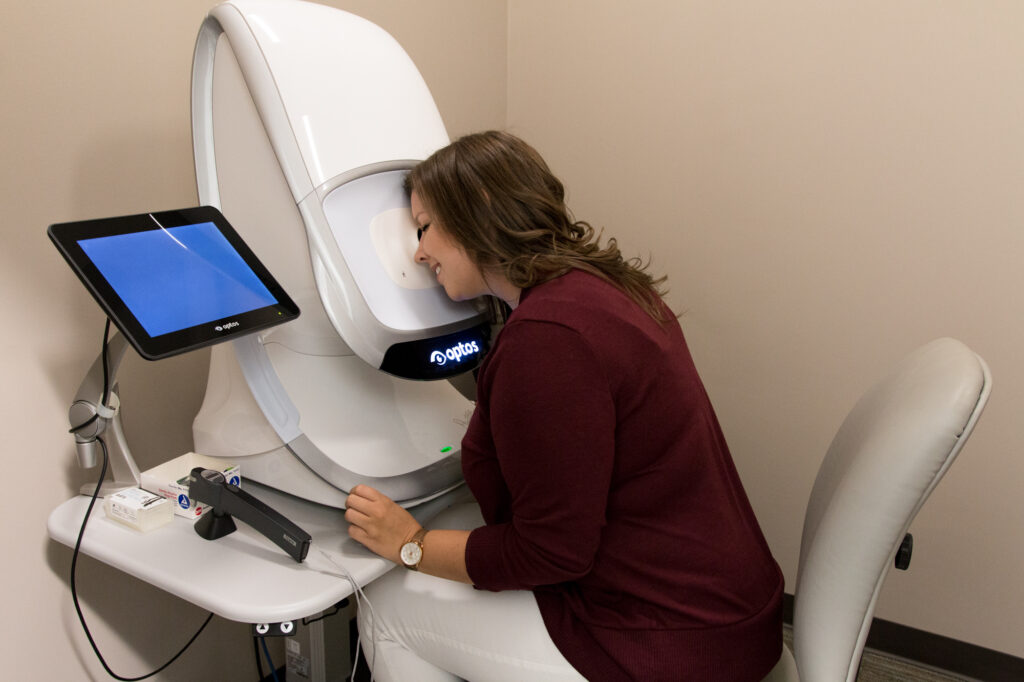
An eye health exam is a comprehensive eye checkup that goes far beyond simply checking if you need new glasses or contact lenses. During your visit, our eye doctors will conduct a series of tests to assess various aspects of your vision, including:
- Visual acuity
- Refraction
- Extraocular motility and alignment
- Peripheral vision
- Eye pressure
- Color vision
- Health of your eye structures
These evaluations allow us to detect early signs of eye diseases such as glaucoma, cataracts, or macular degeneration, so we can create a personalized plan to protect your vision and restore your eye health.
Why are Regular Eye Exams Important?
Your eyes are often the “early warning system” for your health. Many serious conditions, like diabetes, high blood pressure, and even some neurological issues, can show up first in the eyes. A routine eye examination can catch these clues early, sometimes before you notice any symptoms.
Regular exams also ensure your prescription stays up to date. Squinting or straining to see can lead to headaches, eye fatigue, and difficulty concentrating. Plus, untreated vision problems can sneak up gradually, making it easy to miss just how much you’ve been compensating.
How Often Should You Get an Eye Exam?
The frequency of your eye exams depends on your age, vision needs, risk factors, and overall health. Here are some general guidelines:
- Adults (18–39): Every two years, unless you wear glasses or contacts, or notice vision changes. If you wear contacts, it is important to note that a contact lens prescription is usually valid for one year, and an annual exam is necessary to get a new prescription. It is also important to note that a glasses prescription is usually valid for two years. However, these timeframes can vary by practice.
- Adults (40–64): Every 1–2 years, since risks for eye conditions increase with age.
- Seniors (65+): Every year to monitor for age-related vision changes.
When to Schedule Eye Exams for Kids
Kids don’t always know when something’s wrong with their eyesight. They might just assume that everyone sees the world the way they do. That’s why early and regular check-ups are so important.
Here’s a simple guide:
- Infants: A first eye examination between 6 and 12 months of age.
- Preschoolers: At least one exam between ages 3–5.
School-age children: Before starting school and then every one to two years throughout their school years. Children who wear glasses or contact lenses, or who have identified vision problems such as myopia, may need more frequent exams as recommended by their eye doctor.
People with Special Risks
You may need annual or even more frequent exams if you:
- Have a family history of glaucoma, macular degeneration, myopia, cataracts, or other eye diseases.
- Have diabetes or high blood pressure, which can affect your eyes.
- Work in a job that strains your eyes, such as long hours on a computer.
- Have had eye surgery or an injury in the past.
- Have issues that result in the need for specialty contact lenses, such as keratoconus or dry eye.
If you fall into any of these categories, please contact us for a personalized eye exam schedule.
How to Prepare for an Eye Exam
Preparing for an eye exam is easy! Here’s how to get the most out of your visit to our Charlotte Optometric Eye Center:
- Bring your current glasses or contact lenses (and their case/solution).
- Bring a list of all medications you are currently taking, as well as your insurance information.
- Be prepared to discuss your medical history, including any eye conditions or family history of eye disease.
- Write down any vision changes or eye discomfort you’ve been experiencing, such as blurry distance vision, double vision, or difficulty seeing at night.
- Prepare a list of any questions you have for your eye doctor.
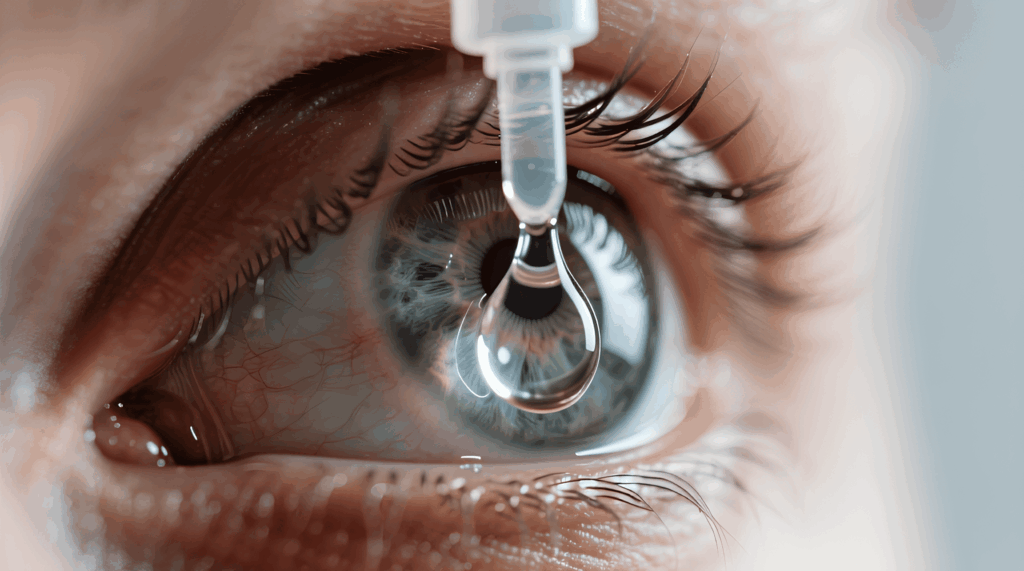
- Consider bringing sunglasses and a driver to take you home, as your eyes may be dilated during the exam, making them temporarily blurry and more sensitive to light.
Protect Your Vision with Comprehensive Eye Exams in Charlotte, NC
At Innovative Eye Care, we provide comprehensive eye exams and personalized eye care in Charlotte to keep your vision sharp and your eyes healthy. Don’t wait until you notice a problem – schedule an appointment today and experience the difference proactive eye care can make!
Key Takeaways
- Regular eye exams are not just for updating your prescriptions; they are essential for maintaining healthy vision, detecting early signs of disease, and protecting your overall health.
- Adults should get an eye exam every 1–2 years, but annual exams are essential if you wear glasses or contact lenses.
- A prescription for glasses is usually valid for 2 years, while a contact lens prescription is typically valid for 1 year; however, this can vary by practice.
- Kids and teens, especially glasses and contact lens wearers or those with conditions like myopia, need regular checkups to support healthy vision as they grow.
- You may need more frequent exams if you have a family history of eye disease, diabetes, myopia, high blood pressure, or conditions like keratoconus and dry eye.
Sources
https://innovativeeyecare.net/
https://innovativeeyecare.net/eye-health-evaluation/
https://innovativeeyecare.net/contact-lenses-charlotte-nc/
https://innovativeeyecare.net/eyewear-boutique-charlotte-nc/
https://innovativeeyecare.net/myopia-management-in-charlotte-nc/
https://innovativeeyecare.net/meet-our-doctors/