

TLDR
Screen use can reduce blinking, which may contribute to dry eyes, headaches, and eye fatigue. Simple habits can help protect your eyes during screen use, while persistent dry eye symptoms may require professional care. Our eye doctors at Innovative Eye Care provide personalized dry eye care and guidance for comfortable screen use.
Just like breathing, blinking is a natural reflex the eye performs for protection. Each time you blink, your eyes produce a protective tear film across the surface that moisturizes them and washes away foreign matter.
Due to increased screen time in recent years, the average person blinks 50% to 66% less than normal. This is especially true when you’re working on a computer or phone. Without frequent blinking to replenish tears on the eye’s surface, your eyes can become dry and fatigued from staring at digital screens for too long.
Dr. Mumford and Dr. Kenning, our experienced eye doctors in Charlotte, near Dilworth, NC, know there are important factors to consider when using screens. Here’s what you should know about blinking and your eyes:
How Many Times Do You Blink a Day?
On average, most people blink between 15 and 20 times per minute. That is about 900 to 1,200 times per hour. Over the course of a day, you blink anywhere from 14,400 to 19,200 times. We typically sleep 8 hours a day, so let’s use 16 hours awake for these calculations. This means the average person will blink between 5.2 million and 7.1 million times per year.
Why Do We Blink Less When Looking at Screens?
Staring at a digital screen can lower your blink rate because blinks temporarily block visual information. During tasks that require sustained visual attention, the mental effort of staying focused may limit how often you blink to avoid interruption. Many activities you perform on screens fall under this category, so you may blink less when reading, working, or watching videos on a screen.
You can experience reduced blinking when reading from printed material as well, not just when staring at a screen. However, screen use has also been associated with more incomplete blinks. Complete blinks allow your eyelid to fully cover your pupil. Instead, your eyelids don’t close all the way.
What Happens to Your Eyes When You Do Not Blink Enough?
When you don’t blink enough, several changes can occur on the surface of your eyes.
Faster Tear Evaporation
Each blink helps refresh and redistribute the tear film across your eye’s surface. When you blink less often, more time passes between blinks, allowing the tear film to evaporate and thin. This can leave your eyes less lubricated, especially in dry or air-conditioned environments.
Dry Eye Symptoms
Blinking less can cause or worsen dry eye symptoms, including:
- Dry, gritty sensation in the eye
- Eye burning or stinging
- Blurry vision
- Red eyes
- Sensation of heavy eyelids
- Light sensitivity
You may also notice a sticky or scratchy feeling, as if something is stuck under your eyelids.
What Is Digital Eye Strain, and What Does It Feel Like?
Digital eye strain, also known as computer vision syndrome, is a compilation of eye and vision issues related to prolonged screen use.
Computers, smartphones, tablets, and e-readers can all cause eye strain.
Most symptoms are usually temporary and may improve after you take a break from the screen, including:
Dry or Watery Eyes
Your eyes may feel dry or watery during digital eye strain. Blinking less often reduces moisture on the eye’s surface, and the resulting irritation can trigger extra tears. This is why your eyes may feel dry and watery.
Itchy or Irritated Eyes
Prolonged screen use can leave your eyes feeling itchy, irritated, or scratchy. As the tear film becomes less stable and your eyes drier, you may feel something is stuck in your eye even when nothing is there.
Headaches
Eye strain headaches can develop after prolonged screen use. They may become more noticeable the longer you spend focusing on a digital device and often improve after you take a break from the screen.
Eye Fatigue
With eye fatigue, your eyes may feel heavy and tired even when the rest of your body feels fine. The discomfort can make it harder to concentrate or keep your eyes focused. Eye fatigue usually improves with rest and a break from prolonged screen use and blue light exposure.
What Does Blue Light Do To Your Eyes?
Blue light from natural daylight helps your brain recognize that it is daytime and time to be awake and alert. Computer screens also emit blue light, which can send a similar signal to your brain.
For example, when you browse on your phone or watch Netflix before bed, the blue light it emits may make your brain think it needs to stay awake, disrupting your sleep schedule. Poor sleep can make you more tired the next day and cause you to experience digital eye strain more quickly.
How Can You Protect Your Eyes During Screen Time?
You can protect your eyes by practicing a few simple habits in your screen routine.
Follow the 20-20-20 Rule
The 20-20-20 rule is an easy-to-remember habit that can help your eyes. Every 20 minutes, focus your eyes on something around 20 feet away from you for at least 20 seconds. This lets your eyes rest by refocusing on an object farther than your screen. You can look out the window or across the room.
Practice Conscious Blinking
Make a conscious effort to blink regularly during screen time to offset your reduced blinking. You may blink along with every page you read on screen or every time you switch tasks. Pair conscious blinking with activities you normally do while looking at your screen, like talking to a colleague on the phone.
Use Artificial Tears to Lubricate Your Eyes
Artificial tears can help relieve dryness associated with prolonged screen use. Our eye doctors in Charlotte may recommend preservative-free artificial tears, which you can use regularly as needed. These drops add moisture to the eye’s surface and can help relieve dry eye symptoms.
Wear Eyeglasses When Needed
If you require vision correction, wearing eyeglasses can reduce eye strain. Our eye doctors will help you find the right prescription lenses for your needs. At our eyewear and optical boutique in Charlotte, we offer a range of styles and lenses. We offer lenses that reduce screen glare and filter blue light and UV rays. You can also choose from non-prescription sunglasses and reading glasses!
When Should You See an Eye Doctor About Screen-Related Eye Symptoms?
Most screen-related eye strain usually appears temporarily and resolves within an hour after you take a break from the screen.
If symptoms such as headaches, eye pain, gritty eyes, flashing lights, or double vision continue after resting, see an eye doctor. You should also consider an eye exam if blurry vision, headaches, or dry or watery eyes occur frequently during or after computer or phone use.
An eye doctor can examine your vision and provide eye treatments to reduce eye strain. They can offer additional solutions to ensure you can work or play comfortably on your digital devices.
How Can Advanced Dry Eye Care Help in Charlotte’s Dilworth Neighborhood?
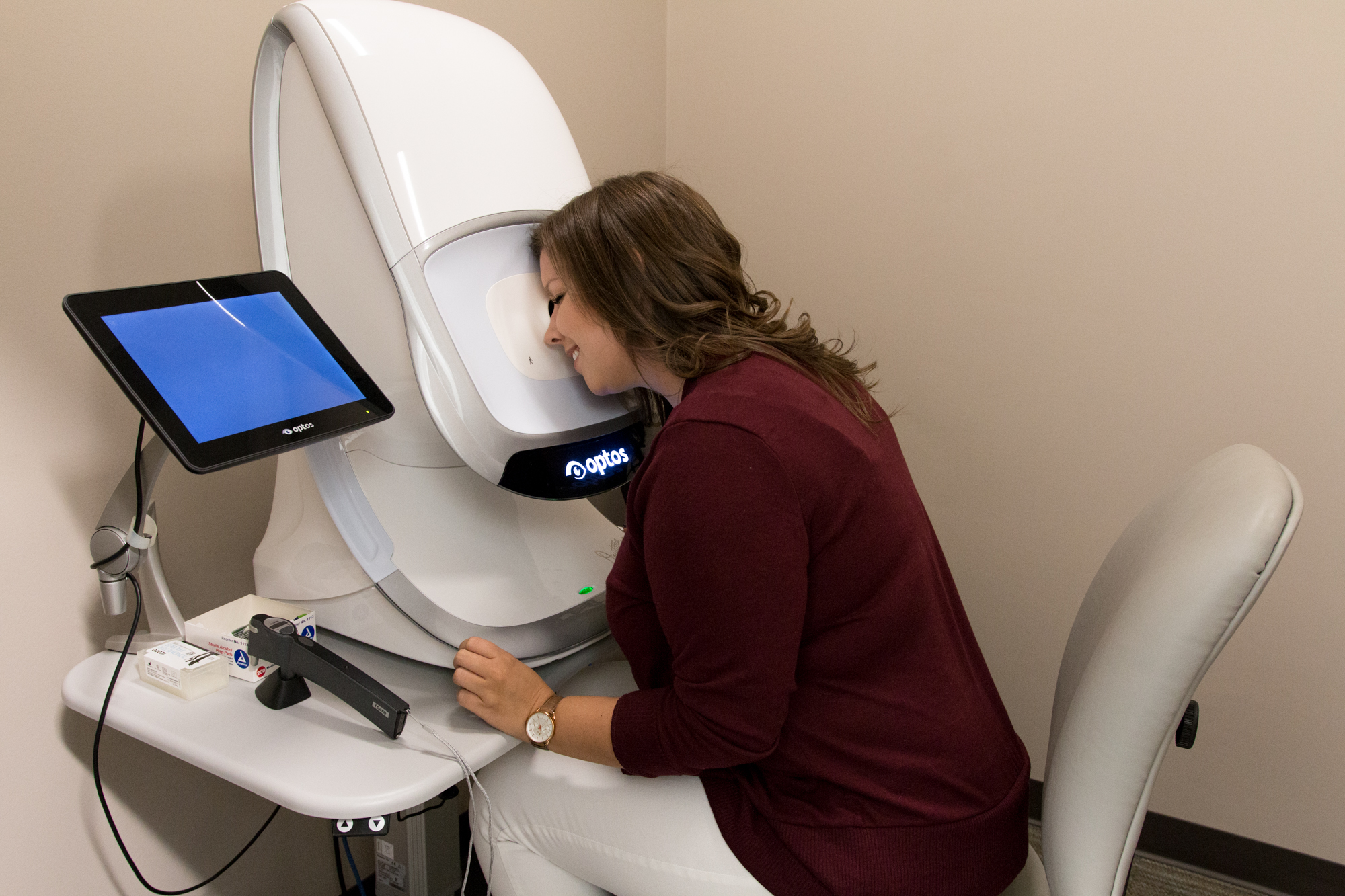
While you can take preventive steps to reduce eye discomfort during screen use, persistent dry eye symptoms may require professional evaluation.
If your symptoms continue despite taking steps to protect your eyes during screen use, our eye doctors serving Dilworth, South Park, and Uptown in Charlotte, NC, provide advanced dry eye care.
At Innovative Eye Care, our optometrists evaluate your eyes to identify the underlying cause of dry eye and develop a customized treatment plan to relieve your symptoms.
We will also recommend ways to manage your symptoms and protect your eye comfort during screen use. Schedule a consultation today to discuss your dry eye symptoms with our team.
Key Takeaways
- Screen use can reduce how often you blink, which may contribute to dry eyes and digital eye strain.
- Symptoms of excessive screen use can include dry eyes, watery eyes, irritation, headaches, and eye fatigue.
- You can prevent screen-related eye discomfort by practicing the 20-20-20 rule, blinking consciously, and wearing glasses if needed.
- Contact your eye doctor if you experience any chronic or severe symptoms.
- Dr. Mumford and Dr. Kenning at Innovative Eye Care in Charlotte, NC, treat dry eye conditions and related symptoms.
Sources
- https://my.clevelandclinic.org/health/articles/blinking
- https://www.optometrists.org/general-practice-optometry/guide-to-eye-conditions/guide-to-blurry-vision-and-headaches/how-do-computers-cause-dry-eyes/
- https://innovativeeyecare.net/
- https://www.healthline.com/health/how-many-times-do-you-blink-a-day
- https://pubmed.ncbi.nlm.nih.gov/24413278/
- https://healthcare.utah.edu/healthfeed/2026/06/staring-screens-all-day-you-may-not-be-blinking-enough
- https://innovativeeyecare.net/dry-eye-disease-treatment/
- https://my.clevelandclinic.org/health/diseases/24802-computer-vision-syndrome
- https://www.aao.org/eye-health/tips-prevention/digital-devices-your-eyes
- https://innovativeeyecare.net/how-can-you-improve-your-vision-naturally-eye-doctors-in-charlotte-share-practical-tips/
- https://www.aao.org/eye-health/treatments/lubricating-eye-drops
- https://innovativeeyecare.net/eyewear-boutique-charlotte-nc/
- https://innovativeeyecare.net/eye-health-evaluation-charlotte-nc/