

TLDR
Routine and comprehensive eye exams are important for everyone, both young and old. Our eye care team in Charlotte, NC, can help detect vision problems and eye conditions early.
Many people wait until they notice blurry vision, eye strain, or discomfort before scheduling an eye exam. Others delay regular checkups due to cost concerns or uncertainty about when to have their eyes tested.
If it has been a while since your last eye exam, it may be time to schedule one. Our eye doctors in Charlotte, near Dilworth, South Park, and Uptown, NC, Dr. Mumford and Dr. Kenning, help you maintain healthy vision with regular eye exams.
What Is An Eye Exam?
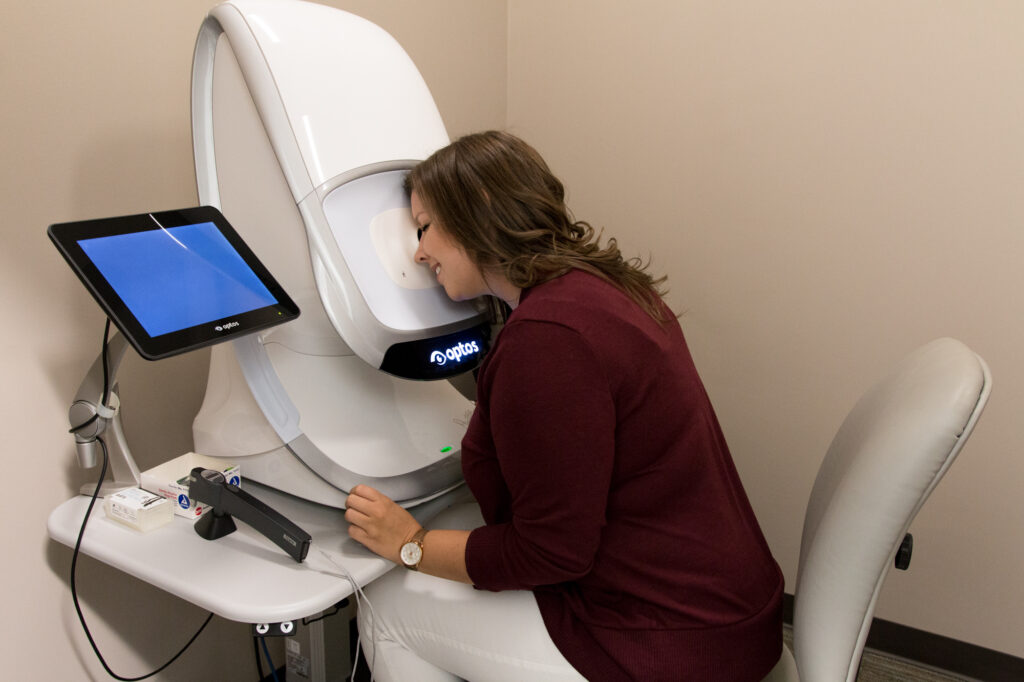
An eye exam includes a series of tests used to evaluate your vision and eye health. A routine eye exam checks your eyesight and prescription changes, while a comprehensive eye exam takes a closer look at the overall health and structure of your eyes. These exams are non-invasive and comfortable.
What Is Considered Normal Vision?
Normal vision, also called 20/20 vision, means you can clearly see letters on an eye chart from 20 feet away. In 20/20 vision, the first number represents the distance at which a person with normal eyesight can read the same line, while the second number represents the distance at which a person with 20/20 vision can read the same line.
What Tests Are Included During An Eye Exam?
During a comprehensive eye exam, your eye doctor may perform several tests to check your vision and eye health. These exams are important even if you are not currently experiencing noticeable eye problems.
Your Medical History and Vision Concerns
Your eye exam will typically begin with a review of your medical history and current vision concerns. Our eye doctor in Charlotte may ask about your family history, medications, existing health conditions, past eye problems, and daily activities that could affect your vision and eye health.
Visual Acuity Testing (How Sharp Is Your Vision?)
During a visual acuity test, your eye doctor will ask you to read a Snellen chart to measure the sharpness and clarity of your vision. The chart starts with large letters at the top, with each line becoming progressively smaller farther down the chart. This test helps detect common vision problems such as nearsightedness, farsightedness, and blurred vision.
Refraction Testing (Finding the Right Eyeglass Prescription)
Refraction testing helps determine the prescription needed to correct vision problems such as nearsightedness, farsightedness, and astigmatism. During the test, you will look through a device called a phoropter while your eye doctor changes different lenses and asks which ones provide the clearest vision.
Eye Movement And Alignment Tests
In this part of the exam, your eye doctor will observe how your eyes move and respond as you follow an object or light. These tests help check eye alignment, tracking ability, and how well your eyes work together during everyday visual tasks.
Pupil And External Eye Examination
During the exam, your eye doctor may use a small light to monitor your pupils’ reactions to light and movement. This helps evaluate how well your eyes and nerves are functioning. The exam also includes a close look at the eyelids, eyelashes, and surrounding eye structures to check for signs of irritation, infection, or other eye health concerns.
Slit Lamp Examination
A specialized microscope called the slit lamp uses a bright, thin light to examine the front parts of your eyes in greater detail. This helps provide a closer look at the cornea, lens, iris, and surrounding tissues to identify signs of eye conditions such as cataracts, dry eye, scratches, or early glaucoma.
Retinal And Optic Nerve Examination
Located at the back of the eye, the retina and optic nerve help process and transmit visual information to the brain. Your eye doctor will carefully examine these areas to look for early signs of optic nerve damage, retinal problems, and conditions such as glaucoma.
Glaucoma Screening And Eye Pressure Testing (Testing for Glaucoma and Eye Pressure)
To check for glaucoma, your eye doctor will measure the pressure inside your eyes using a device called a tonometer. Additional testing may be used to examine how fluid moves through the eye. If fluid does not drain properly, pressure can build up, increasing the risk of glaucoma.
Visual Field Testing (Your Peripheral Vision)
Visual field testing measures how well you can see to the sides while looking straight ahead. It helps identify changes in peripheral vision and detect blind spots that may be caused by eye or nerve-related conditions.
Corneal Shape Testing
During this test, special imaging is used to examine the shape of your cornea, the clear outer layer at the front of the eye. Because the cornea helps focus light, changes in its shape can affect vision and may indicate astigmatism or other eye conditions.
How Long Does An Eye Exam Take?
Often, a same-day eye exam can be completed in 30 minutes to a few hours. The exact length of the appointment depends on your medical history, vision concerns, and the number of tests your eye doctor recommends.
How Often Should You Get An Eye Exam?
The right timing for an eye exam can vary from person to person.
- Eye screenings are recommended for babies between 6 and 12 months old.
- Children should continue getting screened between ages 1 and 3 and again between ages 3 and 5.
- School-aged children should receive regular vision screenings during routine checkups.
- Most adults under 40 should have an eye exam every two years.
Adults over 40 should schedule yearly eye exams to help detect vision changes and eye disease early.
Why Might You Need More Frequent Eye Exams?
You may need more frequent eye exams if you have:
- A family history of eye conditions
- Previous eye problems or vision changes
- Diabetes, high blood pressure, or autoimmune conditions
- Contact lenses
- Frequent occupational or screen-related eye strain
How Much Does An Eye Exam Cost?
A common question patients ask is, “how much is an eye exam?” Most eye exams cost between $113 and $196, although our patients with vision insurance may pay $22 to $36, depending on their coverage.
How Should You Prepare For An Eye Exam?
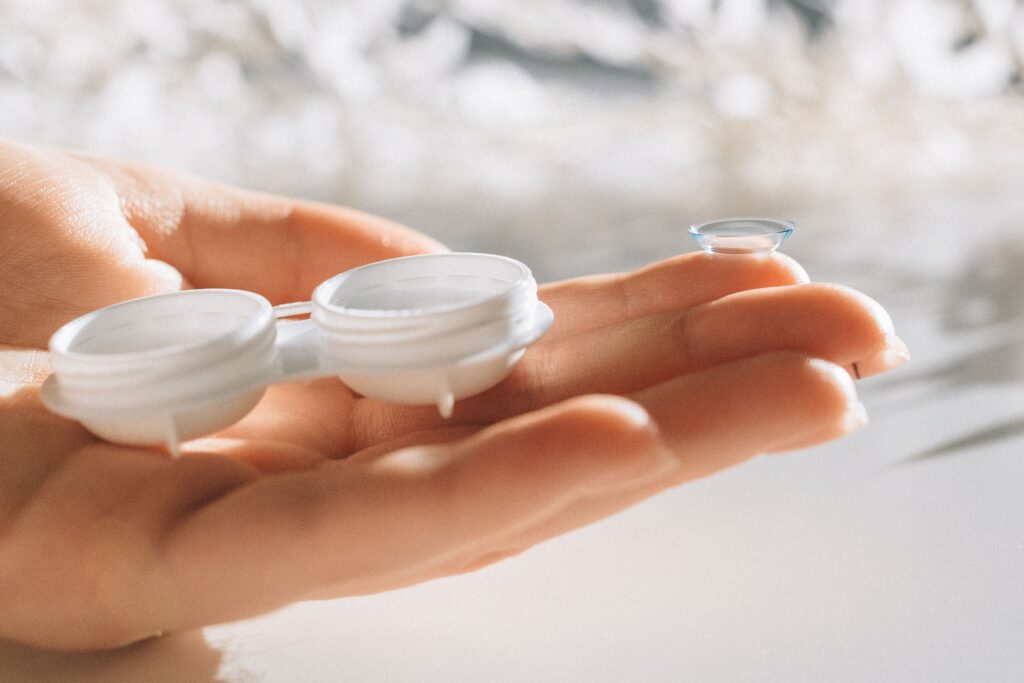
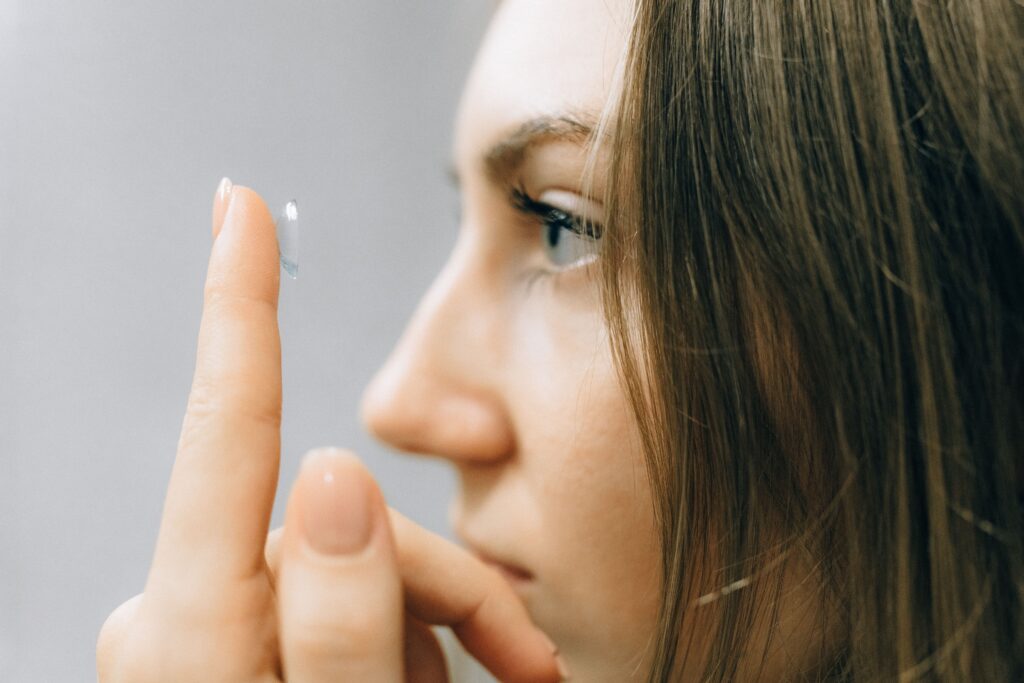
Remember to bring your prescription glasses, contact lenses, and any eye medications you currently use to your appointment. It is also helpful to leave extra time for your visit in case you need additional testing or pupil dilation.
Because your eyes may be sensitive to light afterward, you may prefer to have someone drive you home. Wearing sunglasses after the exam can also make your eyes more comfortable, and our team can provide protective eyewear if necessary.
What Should You Expect During An Eye Exam In Charlotte?
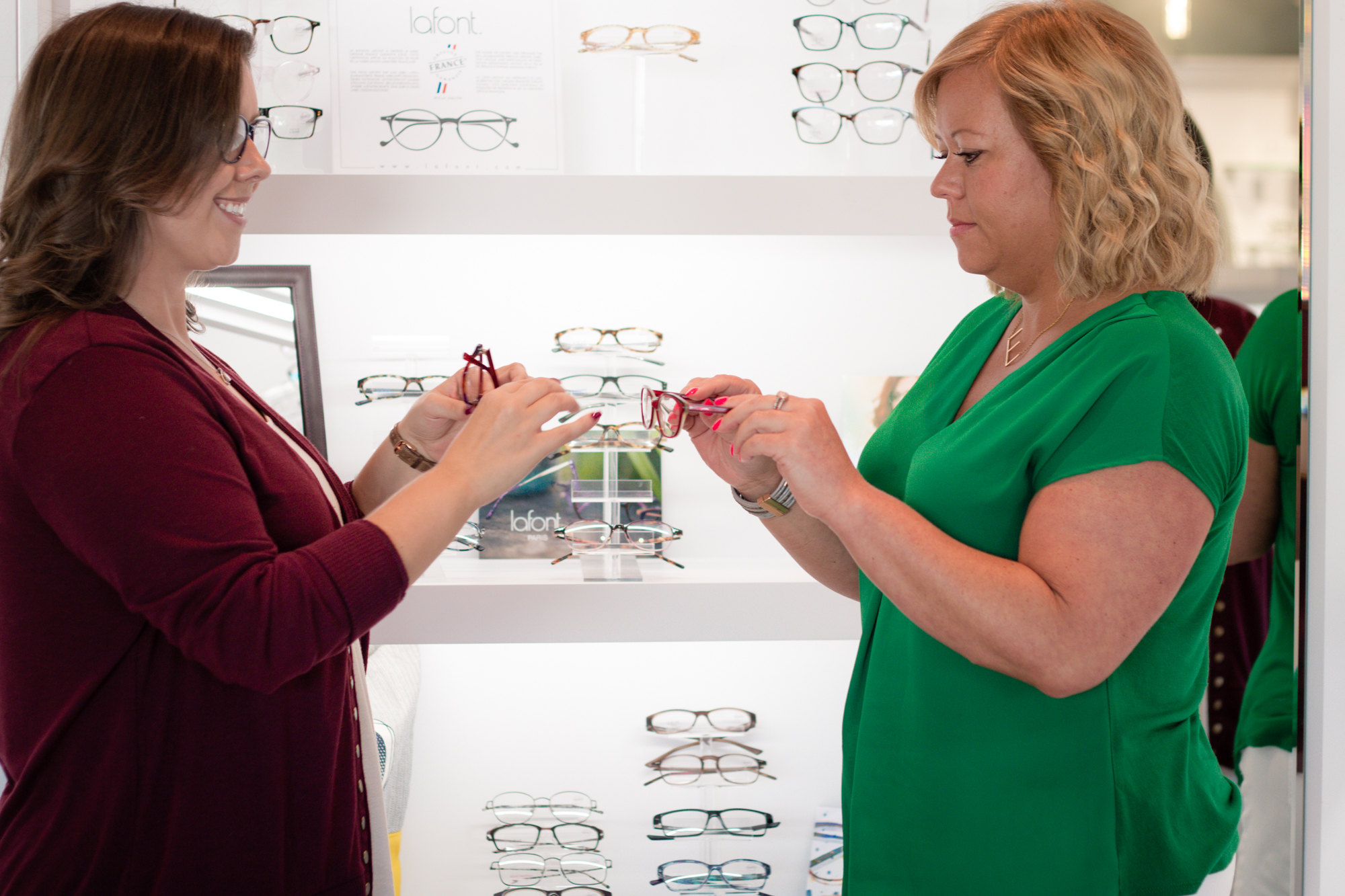
A routine eye exam includes several tests designed to evaluate your vision, eye health, and risk of developing certain eye conditions. These exams can help detect problems early, often before symptoms become noticeable.
At Innovative Eye Care, our team of eye doctors in Charlotte provides comprehensive eye exams that may include vision testing, retinal examinations, glaucoma screening, and other diagnostic evaluations as needed. We also recommend personalized exam schedules based on your age, medical history, and overall eye health.
Protecting your vision starts with regular eye care. Schedule your eye exam appointment with our trusted eye doctors in Charlotte today.
Key Takeaways
- Most adults should schedule routine eye exams every one to two years
- Comprehensive eye exams evaluate different parts of the eye, including vision clarity, retinal health, and glaucoma risk.
- People with a family history of eye disease, existing health conditions, or previous vision problems may need more frequent eye exams.
- At Innovative Eye Care in Charlotte, NC, Dr. Mumford and Dr. Kenning provide comprehensive eye exams tailored to each patient’s age, vision needs, and overall health.
Sources
- https://innovativeeyecare.net/
- https://www.aao.org/eye-health/tips-prevention/what-does-20-20-vision-mean
- https://innovativeeyecare.net/astigmatism-vs-normal-vision-what-it-looks-like/
- https://innovativeeyecare.net/dry-eye-disease-treatment/
- https://my.clevelandclinic.org/health/diagnostics/22859-tonometry
- https://www.webmd.com/eye-health/what-to-expect-checkup-eye-exam-adults
- https://www.aao.org/eye-health/tips-prevention/eye-exams-101
- https://www.carecredit.com/well-u/health-wellness/eye-exam-cost-eye-exam-financing/