

TLDR
A comprehensive eye exam checks your overall eye health and vision, while a contact lens exam ensures your lenses fit comfortably and provide the correct prescription. Our eye doctors in Charlotte can recommend the right appointment based on your vision needs and lifestyle.
Have you ever been told you need a contact lens exam even though you’ve already had an eye exam? While both may sound very similar, they help assess different aspects of one’s vision and overall eye health.
Our eye doctors in Charlotte, including Dr. Sarah, Dr. Kenny, and Dr. Mumford, help patients understand which exam they need and why both can play an important role in protecting long-term vision.
What Is a Comprehensive Eye Exam?
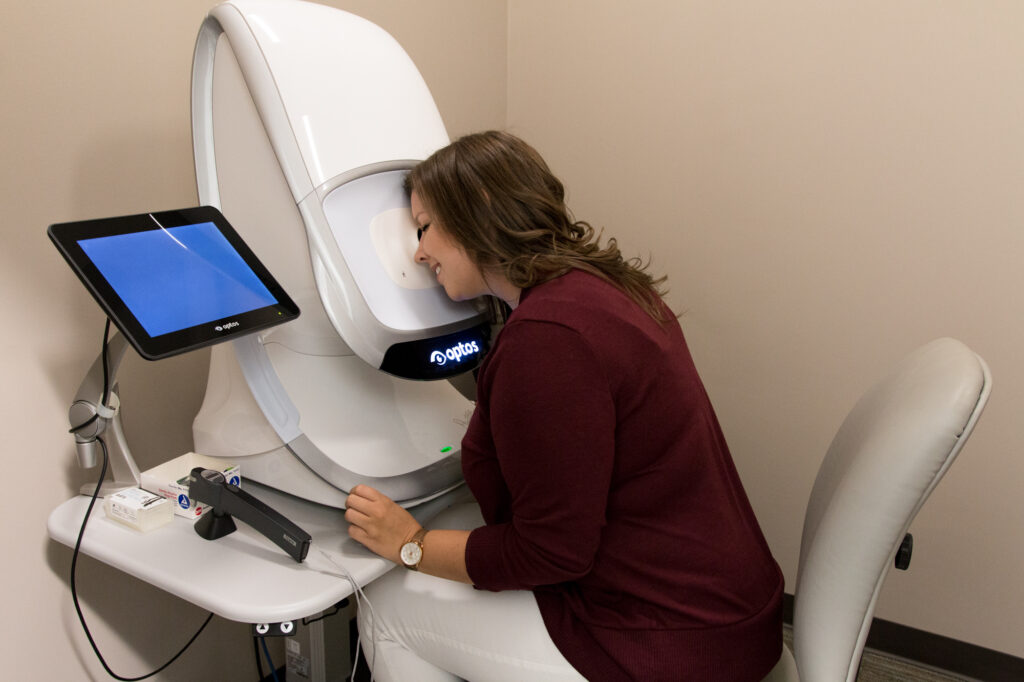
A comprehensive eye exam is a complete evaluation of your vision and overall eye health. It does more than determine whether you need glasses or an updated prescription. During the exam, your optometrist checks how your eyes work together, screens for conditions like glaucoma and cataracts, and monitors changes in your eye health over time.
How often you need a comprehensive eye exam depends on factors such as your age, eye health, and vision needs.
What Is a Contact Lens Exam?
A contact lens exam focuses specifically on fitting contact lenses for your eyes. In addition to parts of a routine eye exam, it assesses how lenses sit on your cornea, how your eyes tolerate them, and which lens type offers the best comfort and vision.
What Tests Are Unique to a Contact Lens Exam?
To ensure the best lens fit and performance, your eye doctor may perform additional tests, including:
Corneal Measurements
Corneal measurements help your optometrist choose the contact lenses best suited to your eyes. Using specialized instruments, such as the keratometer, they evaluate the size, shape, and curvature of your cornea to ensure an accurate fit.
Fit Assessment
Because when a lens has the correct prescription, it still needs to move naturally with your eye and remain stable as you blink and go about your day. The fit assessment evaluates how the contact lens sits on your eye after placement and whether it is too tight, too loose, or properly centered. The doctor also observes how the lens behaves when you blink and whether it causes irritation.
Tear Film Evaluation
A healthy tear film helps keep your eyes lubricated and supports comfortable contact lens wear. During this evaluation, the optometrist checks tear stability, moisture levels, and signs of dryness. Dry eyes can make contact lenses uncomfortable and may cause blurry vision.
Pupil Size Assessment
Your pupils respond differently depending on lighting conditions, which can affect how well you see in certain situations. This assessment helps the optometrist choose lenses that support clear vision at night, during screen use, and in both bright and dim light.
Trial Lens Fitting
Trial lens fitting is often one of the last steps in a contact lens exam. You wear sample lenses while the doctor evaluates how comfortable they feel and how well they work for your eyes.
During this process, you may be asked to blink, move your eyes, or focus on objects at different distances. The doctor uses your feedback to make any necessary adjustments before finalizing your prescription.
What Happens During a Contact Lens Exam?
While every patient is different, most contact lens exams follow a similar process.
Initial Evaluation
The exam begins with a review of your vision history, eye health, and work and lifestyle. This is where your optometrist recommends contact lenses that best match your needs.
Lens Fitting
Trial lenses are placed on your eyes so the optometrist can assess fit, movement, and visual clarity.
Follow-Up Visit
Some patients may need a second appointment to ensure their contact lenses remain comfortable and function as intended.
What Types of Contact Lenses Are Available?
Not all contact lenses are the same. The right type of contact lens in our Charlotte office will depend on factors such as your eye shape, wearing habits, and personal preferences.
Soft Contact Lenses
Many patients choose soft contact lenses because they are convenient and adapt quickly to the eye. They can be replaced daily, bi-weekly, or monthly, depending on individual preferences, making them a popular choice for everyday eye care.
Toric Lenses
Toric lenses are specially designed to correct astigmatism. Unlike standard contact lenses, they have a unique shape that helps keep them in place for more consistent vision throughout the day. Our eye doctors in Charlotte can determine whether toric lenses are the right option for your prescription and daily needs.
Rigid Gas Permeable Lenses
Rigid Gas Permeable (RGP) lenses are smaller and more durable than soft lenses and often provide sharper visual clarity. Because RGP lenses require a more precise fitting process, patients must consult contact lens specialists near them to explore this option.
Scleral Lenses
Unlike traditional contact lenses, scleral lenses are larger and rest on the sclera (the white part of the eye) rather than directly on the cornea. They are often recommended for irregular corneas, severe dry eye, and other conditions requiring more intricate care.
Why Might You Need Both Exams?
Even if you already wear contact lenses, regular eye exams remain important because your eyes can change over time. A contact lens exam focuses on how your lenses perform, while a comprehensive eye exam can identify conditions that may not cause noticeable symptoms early on.
You may benefit from both exams when switching from glasses to contacts, updating your prescription, or addressing issues such as dryness or irritation.
How Often Should You Get an Eye Exam or Contact Lens Exam?
Most adults should schedule a comprehensive eye exam every two years, though some people may need more frequent visits based on age, medical history, or existing conditions.
Contact lens wearers typically need an annual contact lens exam to confirm that their lenses still fit properly and that no changes have occurred since their last appointment.
What Are the Risks of Skipping Your Annual Contact Lens Exams?
Going a year or longer without a contact lens exam carries certain risks, such as:
- Poor lens fit, which may cause irritation
- A higher risk of eye infections and inflammation
- Reduced oxygen flow to the cornea, especially with certain lens types
- Changes to the eye surface that may go unnoticed over time
How Much Does a Contact Lens Exam Cost?
Oftentimes, contact lens exams cost more than comprehensive eye exams because they include additional measurements, lens fitting, and follow-up care. While prices vary by provider and location, comprehensive eye exams generally range from about $113 to $196.
Insurance coverage varies by plan and provider, so it is always a good idea to confirm your benefits before scheduling an appointment.
How Should You Prepare for Your Eye or Contact Lens Exam?
A few simple steps before your appointment can help your eye doctor perform a more accurate evaluation.
Before your visit:
- Avoid wearing contact lenses for a few hours beforehand, as directed by your eye doctor, so your eyes can return to their natural shape.
- Bring your current glasses or contact lens prescription for comparison.
- Make note of any recent changes, such as blurry vision, headaches, dryness, or eye strain.
- Prepare a list of questions or concerns you would like to discuss during the appointment.
Where Can You Schedule an Eye Exam in Charlotte?
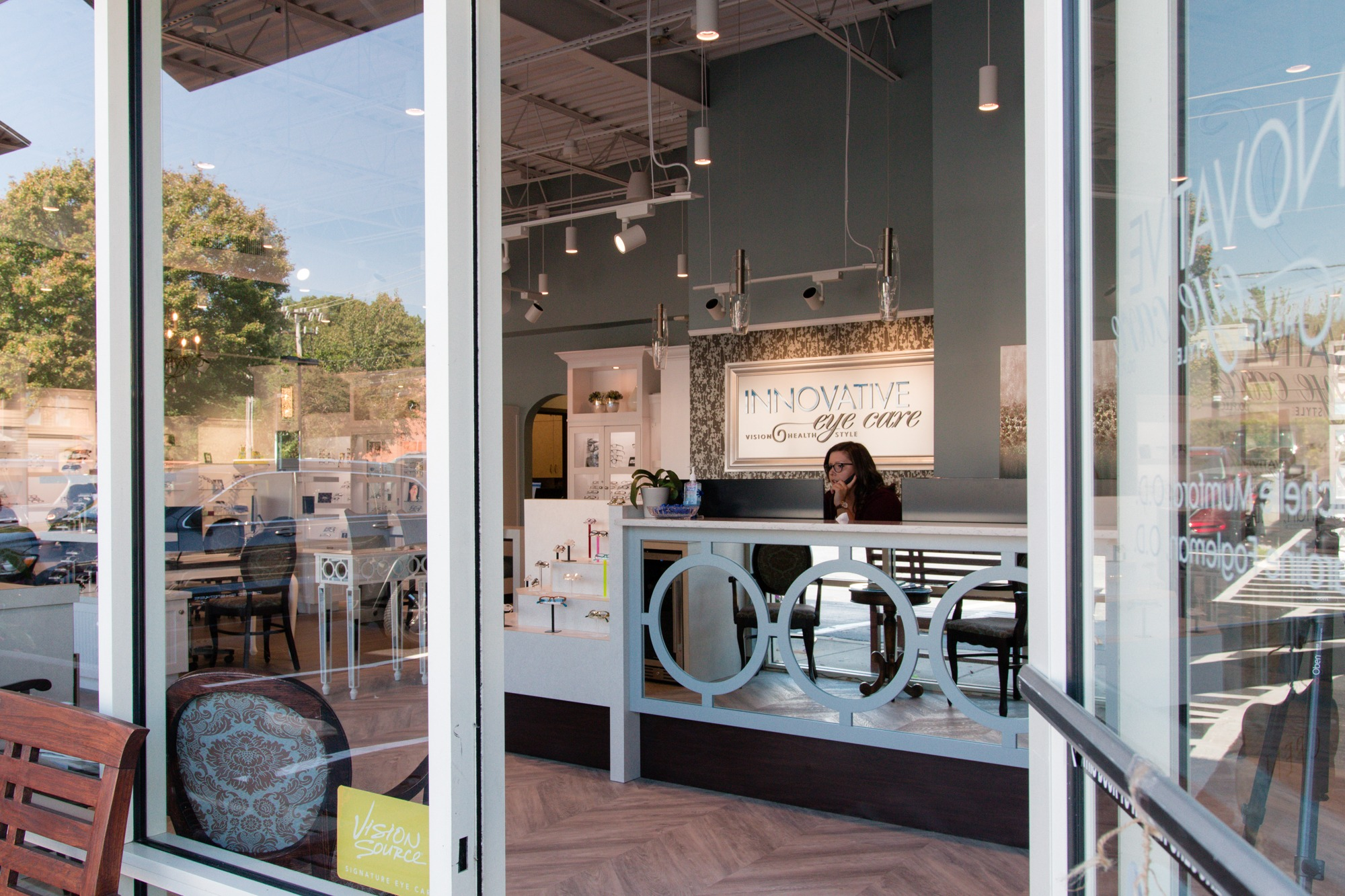
If you’re looking for compassionate and personalized eye care in Charlotte, near Dilworth, South Park, and Uptown, NC, Innovative Eye Care provides comprehensive services for patients of all ages. In one convenient location, we provide comprehensive eye exams, contact lens fittings, specialty lenses, and advanced vision screening for our patients.
Whether you need routine eye care or vision correction, our team of eye doctors in Charlotte is here to support your long-term eye health. Schedule an appointment today, and we will help you keep your vision healthy for years to come.
Key Takeaways
- A comprehensive eye exam evaluates your overall eye health, while a contact lens exam focuses on lens fitting and wear.
- Contact lens exams may include additional tests such as corneal measurements, tear film evaluation, and trial lens fitting.
- Many patients benefit from both exams to support clear sight and monitor changes over time.
- At Innovative Eye Care in Charlotte, NC, Dr. Sarah, Dr. Kenny, and Dr. Mumford provide personalized contact lens exams and eye care for patients of all ages.
Sources
- https://innovativeeyecare.net/
- https://innovativeeyecare.net/affordable-eye-exams-in-charlotte-nc-how-often-should-you-schedule-one/
- https://innovativeeyecare.net/contact-lenses-charlotte-nc/
- https://www.optometrists.org/general-practice-optometry/optical/guide-to-contact-lenses/what-are-contact-lenses/the-contact-lens-exam/
- https://innovativeeyecare.net/specialty-contact-lenses-charlotte-nc/
- https://www.carecredit.com/well-u/health-wellness/eye-exam-cost-eye-exam-financing/
- https://www.optometrists.org/general-practice-optometry/guide-to-eye-exams/why-are-annual-eye-exams-important/what-to-do-before-an-eye-exam/
- https://innovativeeyecare.net/meet-our-doctors/