

TLDR
Swimming with contact lenses is not advisable because water can expose the lenses and eyes to microorganisms, increasing the risk of infection. Redness, pain, blurred vision, and eye irritation are possible signs of a problem after swimming with your contacts. Our optometrists in Charlotte, NC, can treat issues caused by water exposure while wearing contacts and provide guidance on safer ways to see clearly in the water, including prescription swim goggles.
Do you wear contact lenses and wonder what to do with them when you want to go swimming?
You are not alone. Many contact lens wearers have questions about wearing their contacts in the pool, ocean, or even the shower.
Clear vision is important in the water, whether you are enjoying a casual day at the pool or participating in a local swim meet. However, Dr. Michelle, our contact lens specialist in Charlotte, NC, cautions against wearing contact lenses in water and provides expert guidance on safer ways to see clearly in the water while protecting your eyes.
Is It Safe To Wear Contacts In The Pool, Ocean, or Shower?
No. Wearing contact lenses in water is generally considered unsafe. Although contacts are safe for everyday use, swimming or showering with them exposes the lenses to water pathogens, bacteria, viruses, or pool chemicals, which increases the risk of an eye infection. This applies whether you are swimming in a chlorinated pool, spending time at the beach, or just taking a regular shower at home.
How Lenses Trap Harmful Water Microbes
Microorganisms that live in water can attach to your contact lens and stick to its surface. The lens then slides against your eye, essentially trapping the microbe beneath it. Normally, your tear film and blinking action will wash away bacteria and foreign microbes before they have time to irritate your cornea.
But when they become trapped against your eye under a contact lens, you’re giving harmful microbes more time to cause irritation or an infection. One of the most serious examples is Acanthamoeba, which can cause an infection known as Acanthamoeba keratitis.
Acanthamoeba Keratitis
Acanthamoeba keratitis is a rare but serious infection of the cornea. It is caused by Acanthamoeba, a microscopic organism that can be found in tap water, swimming pools, lakes, rivers, and other bodies of water. Contact lens wearers who expose their lenses to water can introduce Acanthamoeba into their eyes and become infected.
What Are the Risks of Swimming With Contact Lenses In?
Beyond eye infection and irritation, swimming with contact lenses comes with other problems.
How Chlorine and Salt Alter Your Lens Fit
Many pools use chlorine to regulate microbial growth, but swimming in such pools with contacts is still not advisable. Water exposure can cause soft contact lenses to absorb water, swell, and change shape, affecting how they sit on the eye. Chlorinated or salt water can also irritate your eyes, making your lenses feel uncomfortable during or after a swim.
Risk of Losing Your Lenses
Swimming can also cause a contact lens to shift or come out, especially when you open your eyes underwater or encounter splashing, waves, or strong water movement. Losing a lens mid-swim can leave you with blurred or uneven vision, making it harder to see clearly until you are safely out of the water.
What Symptoms Should You Watch for After Swimming With Contacts?
If you have already swum with your contact lenses, watch for eye infection symptoms that may develop afterward, including:
- Red or irritated eyes
- Unusual eye discharge
- Pain in the affected eye
- Blurred vision
- Sensitivity to light
- Inability to open your eye
Contact our Charlotte eye doctor if symptoms of an eye infection persist after 24 or 48 hours. We will perform a comprehensive eye exam to evaluate your eye health and recommend appropriate treatment.
Accidentally Swam With Contacts: What Should You Do?
If you accidentally swim with your contacts in, act quickly and take these steps to reduce the risk of irritation and infection:
- Wash your hands thoroughly with soap and water, then dry them with a lint-free towel before touching your lenses. A lint-free towel won’t leave fibers on your hands.
- Remove your contacts as soon as you can after getting out of the water.
- If you’re wearing daily disposable contact lenses, throw them away and wear a new pair the next time you wear contacts.
- If you wear reusable contacts, clean and disinfect them for 24 hours with fresh contact solution before wearing them again.
- Do not store or rinse your contact lenses in tap water, bottled water, distilled water, or any other type of water
- Apply preservative-free eye drops to flush out any debris or soothe dry eyes.
- Don’t rub your eyes. Rubbing is especially harmful if your eyes are already irritated from swimming.
What Are Safe Alternatives for Clear Summer Swim?
Simply put, there are no waterproof contact lenses you can wear while swimming. Well-fitting swim goggles will keep water out of your eyes while you swim. For those who need contacts to see clearly, prescription swim goggles let you wear goggles that correct your vision so you don’t have to wear contacts while in the water.
How Do Prescription Swim Goggles Work?
Prescription swim goggles offer both corrective lenses and the protection of regular swim goggles. The lenses help correct refractive errors such as nearsightedness or farsightedness, and the goggles allow you to see clearly in and around water without using contacts.
Prescription goggles are available at our eyewear and optical boutique in Charlotte in several styles to fit your prescription and face shape. A good-fitting pair of goggles will form a tight seal around your eyes, preventing water from entering so you can see clearly and enjoy recreational swimming, swim practice, or any other water activity.
How Long After Swimming Can You Put My Contacts In?
If you took out your contacts before swimming, wait a few hours to ensure your eyes and eyelids are clean and dry before handling lenses again. Wash and dry your hands before putting in a fresh pair of lenses or handling lenses that have been properly disinfected. If your eyes are irritated, red, or uncomfortable after swimming, leave your contacts out and consult your eye doctor before wearing them again.
When Should You See an Eye Doctor in Charlotte After Swimming With Contacts?
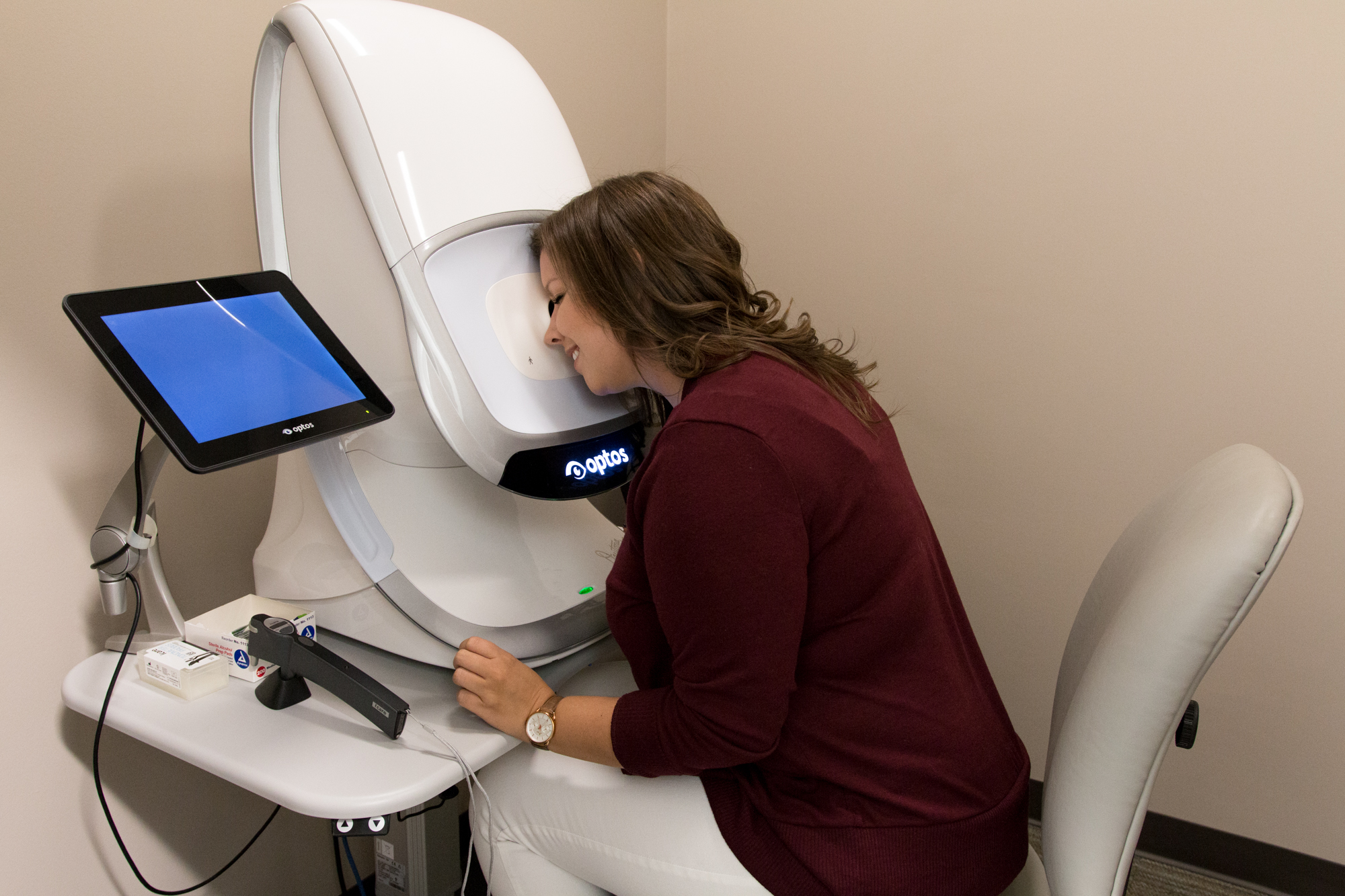
Often, problems after swimming with contact lenses will not present right away, so make sure to note how your eyes feel and how clearly you can see afterward. If you develop redness, pain, irritation, blurred vision, light sensitivity, or other unusual symptoms, an eye health exam can help identify the problem and determine the appropriate care.
Our eye doctors in Charlotte, near Dilworth, South Park, and Uptown, can evaluate your eye health after exposure to water and provide routine contact lens care. Scheduling an appointment allows us to check your cornea for signs of irritation or infection, review how your contacts fit, and help you find safer vision options for swimming.
Commonly Asked Questions
Can You Wear Contacts at the Beach?
Even if you don’t intend to swim at the beach, be careful when wearing contact lenses around sand and wind. Blowing sand can get into your eyes and get trapped under a lens. Sand can irritate or scratch the cornea if left in your eye.
You should wear sunglasses to help protect your eyes from blowing sand. If your eyes feel gritty, refrain from rubbing them. If sand does get under a contact lens, remove your lens with clean, dry hands.
Can You Swim With Contacts If You Wear Goggles?
Swim goggles can help limit water from getting to your eyes; however, that does not mean it’s safe to wear contacts while swimming. Goggles can leak or lose their seal on your face. Prescription swim goggles are available for people who need vision correction while swimming.
Key Takeaways
- Swimming while wearing contact lenses exposes your eyes and lenses to microscopic organisms in the water that can cause eye infections or irritation.
- Water can also affect contact lenses, which may change how they fit over your eye or cause them to pop out while swimming.
- If you swim with contacts in your eyes, take them out as soon as possible and throw away lenses that are meant to be disposed of daily. If you use reusable lenses, clean and disinfect them before putting them back in your eyes.
- Wear well-fitting swim goggles to keep water out of your eyes and prescription swim goggles if you want to see clearly without wearing contacts while swimming.
- Patients living near Dilworth, South Park, Uptown, and surrounding areas in Charlotte can receive individualized contact lens and eye care tips from Dr. Mumford and Dr. Kenning at Innovative Eye Care.
Sources
- https://innovativeeyecare.net/
- https://www.healthline.com/health/can-you-swim-with-contacts
- https://my.clevelandclinic.org/health/diseases/21560-acanthamoeba-keratitis
- https://www.webmd.com/eye-health/eye-infection-symptoms-types
- https://innovativeeyecare.net/contact-lens-exam-vs-comprehensive-eye-exam-whats-the-difference/
- https://innovativeeyecare.net/can-kids-use-eye-drops/
- https://health.clevelandclinic.org/can-you-shower-with-contacts
- https://innovativeeyecare.net/eyewear-boutique-charlotte-nc/
- https://innovativeeyecare.net/eye-health-evaluation-charlotte-nc/
- https://www.webmd.com/eye-health/corneal-abrasions